Customers looking for car lifts and stackers value specific features that address their primary needs for space-saving, vehicle protection, ease of use, and reliability.
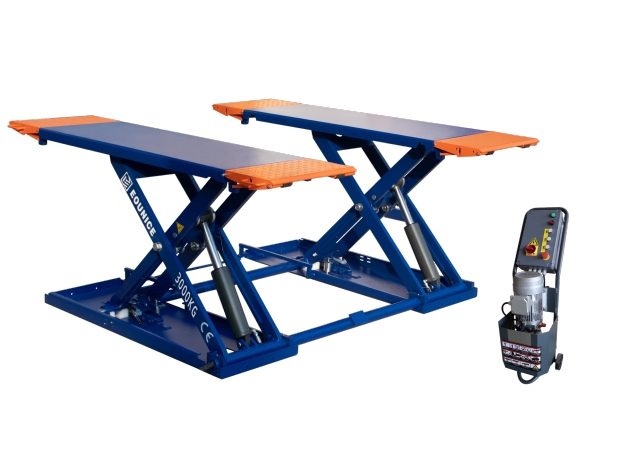
Key features customers value include:
Capacity and Size: The most fundamental feature is how many vehicles the lift can stack (2 car, 3 car, etc.) and its lifting height to accommodate different vehicle types. Equally important is the weight capacity to ensure it can safely lift the intended vehicles, from sedans to heavier SUVs or trucks. The overall footprint is also crucial, as it must fit within the available space, such as a standard garage.
Safety Mechanisms: Customers highly value safety features that provide peace of mind. This includes anti-fall locks (multiple locking positions), overload protection to prevent lifting beyond capacity, emergency stop buttons, and sturdy construction with durable materials. Reliable locking systems are essential to prevent accidental lowering.
Ease of Operation: Simple and intuitive controls are preferred. Customers value lifts with straightforward push-button operation for lifting and lowering. The speed of lifting and lowering is also a consideration, balancing efficiency with safety. Low noise levels during operation can also be a valued feature, particularly in residential settings.
Durability and Reliability: Lifts are a significant investment, so customers want them to last. Features like robust steel construction, corrosion-resistant finishes, and high-quality hydraulic or mechanical components contribute to perceived durability. A good warranty and readily available spare parts and service are also highly valued indicators of reliability.
Design and Convenience Features: While not always critical, features like integrated drip trays to protect the lower car from leaks, adjustable platform widths, and even built-in lighting can enhance the user experience. Ease of installation and maintenance access are also practical considerations.
In essence, customers seek a car lift that reliably and safely stacks their vehicles, maximizing their available space with minimal operational complexity, while being built to last.